
Bricks-and-mortar retail is under increasing pressure. Landlords and retailers alike are seeking ways to reduce energy costs while enhancing indoor environmental quality for customers. In many cases, targeted, minimally disruptive upgrades to building services are sufficient to deliver significant efficiency gains.
Shopping centres and retail properties play a vital role in urban infrastructure due to their economic importance. Against a backdrop of rising cost pressures and increasingly stringent regulatory requirements for building automation in commercial real estate, both landlords and occupiers are looking for solutions that can unlock long-term operational savings. As a result, building services are moving into sharper focus. While other operating expenses, such as security, cleaning and property management, are difficult to reduce and continue to rise, optimised building systems can deliver substantial energy savings and help contain overall operating costs.
Reducing Energy Costs as a Key Financial Lever
Whether located on prime high streets or within large shopping centres, retail properties typically incur significant operating costs through the energy consumption of heating, ventilation and cooling systems. In many cases, these systems continue to operate according to rigid schedules or outdated settings. At the same time, a lack of transparency often prevents facilities teams from accurately identifying where energy is genuinely required and where consumption is excessive. Consequently, operators are frequently unable to intervene and optimise system performance in real time.
To strengthen competitiveness, landlords are therefore increasingly adopting digital technologies that enable measurable reductions in energy consumption. The objective is to establish dynamic building operations that respond in real time to actual demand and changing conditions throughout the day.
Software Platforms Create Transparency Through Building Data
Digital platforms can capture operational building data, aggregate it within a central cloud environment and analyse it immediately using artificial intelligence. Advanced algorithms identify inefficiencies and system faults automatically, while generating targeted recommendations for improvement.
This enables building systems to be proactively optimised through measures such as intelligent temperature control, adjusted airflow rates and demand-driven operating schedules. Importantly, implementing such a data platform generally requires neither extensive refurbishment works nor significant capital expenditure and can be carried out while the property remains fully operational.
Streetwear Store Meets the Highest Operational Standards
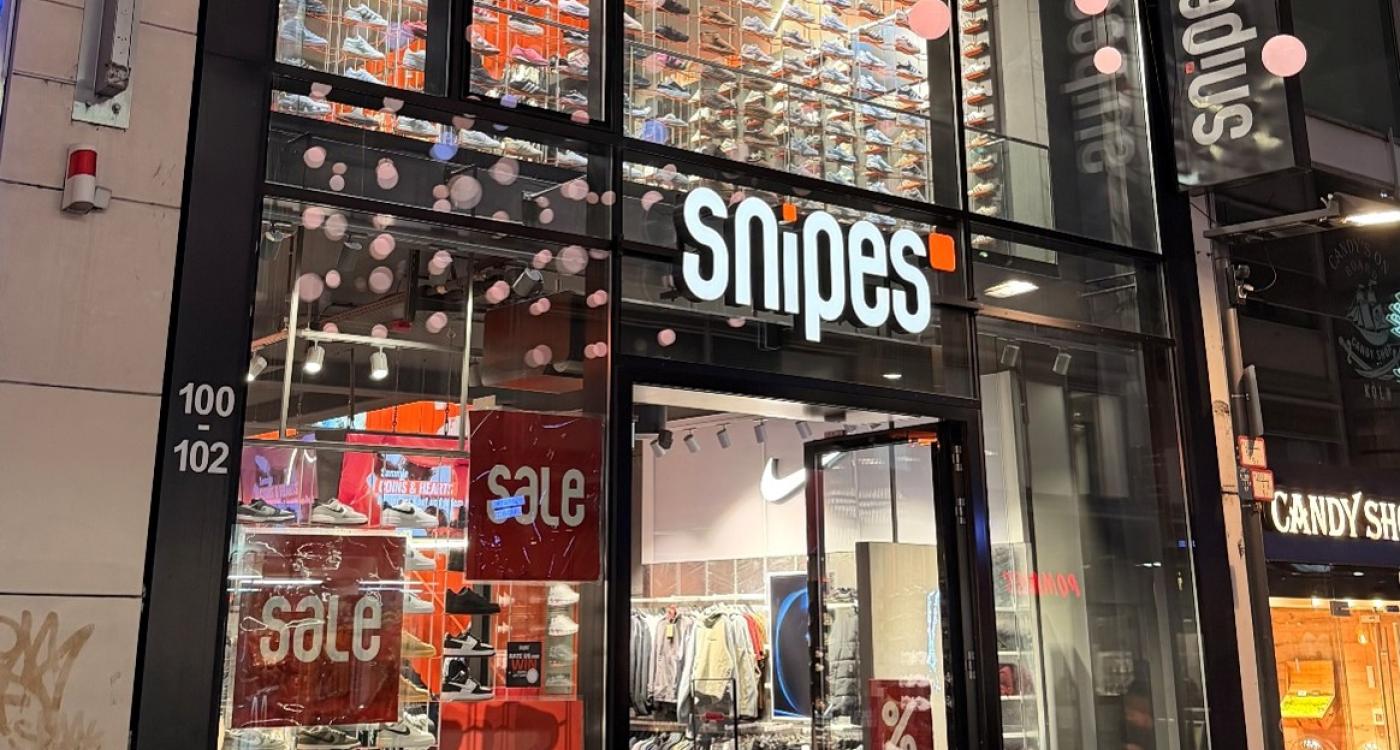
An example from Cologne illustrates how these technological upgrades can be implemented in practice. A SNIPES streetwear store occupies a property dating from 1952, where continuous transparency regarding building performance is essential.
To achieve this, the building's technical systems were digitally retrofitted with additional sensors, bringing data collection capabilities up to modern standards without disrupting day-to-day trading across approximately 600 square metres of retail floor space.
The resulting data now forms the basis for the continuous identification of optimisation opportunities and the development of actionable recommendations for both the operator and specialist contractors involved in building management.
The outcome is comprehensive transparency across building operations, automated utility meter readings, remote access to operational data and enhanced indoor comfort levels alongside improved energy and cost efficiency.
Shopping Centre Benefits from Significant Energy Savings
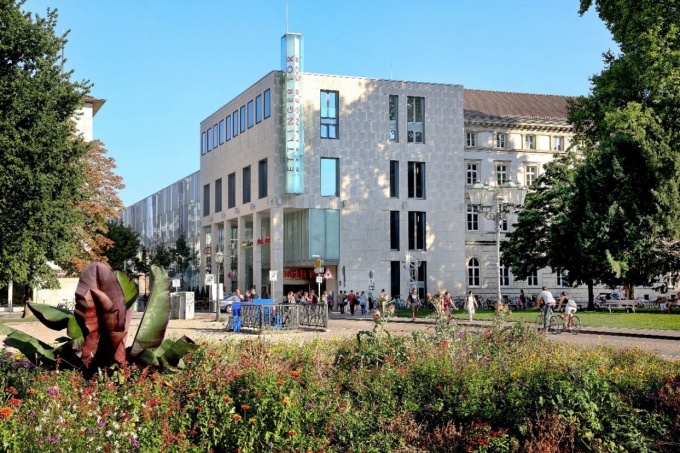
The larger the property, the greater the potential economic impact. This is demonstrated by Ettlinger Tor in Karlsruhe, one of Germany's largest city-centre shopping centres.
The objective was to continuously analyse building systems and ensure that technical equipment could be operated proactively and according to demand, maintaining a consistently comfortable indoor climate while maximising energy efficiency. The centre comprises approximately 38,800 square metres of retail space across three levels, accommodating around 130 shops alongside a broad mix of restaurants, cafés and bars.
A cloud-based platform was implemented, providing both the asset management team and operational staff with transparent, real-time oversight of technical systems and energy-saving opportunities across the property. The self-learning software continuously generates tailored optimisation recommendations and implements them proactively during ongoing operations. No costly refurbishment works or major upgrades were required.
Thanks to the intelligent software solution, the centre reduced annual energy costs by € 59,370, energy consumption by 672 MWh and carbon emissions by 74 tonnes of CO₂, while maintaining a consistently comfortable indoor environment for visitors and tenants alike.
AI-Controlled Building Systems Support Long-Term Performance
These examples demonstrate that meaningful reductions in energy consumption within the retail sector are entirely achievable. Even older properties can realise significant savings through relatively non-invasive measures. In many cases, this involves reconfiguring existing building services, installing additional sensors and implementing a cloud platform that consolidates and analyses operational data. Automated recommendations are then generated for facilities management teams, while system operation can be adjusted proactively on the basis of weather forecasts and anticipated visitor volumes.
As a result, operational energy expenditure becomes both transparent and controllable. The larger the property portfolio, the greater the value of a scalable cloud-based solution. Optimisation measures that prove successful at one location can be rolled out efficiently across additional stores and shopping centres, enabling portfolio-wide improvements in operational performance, energy efficiency and cost control.