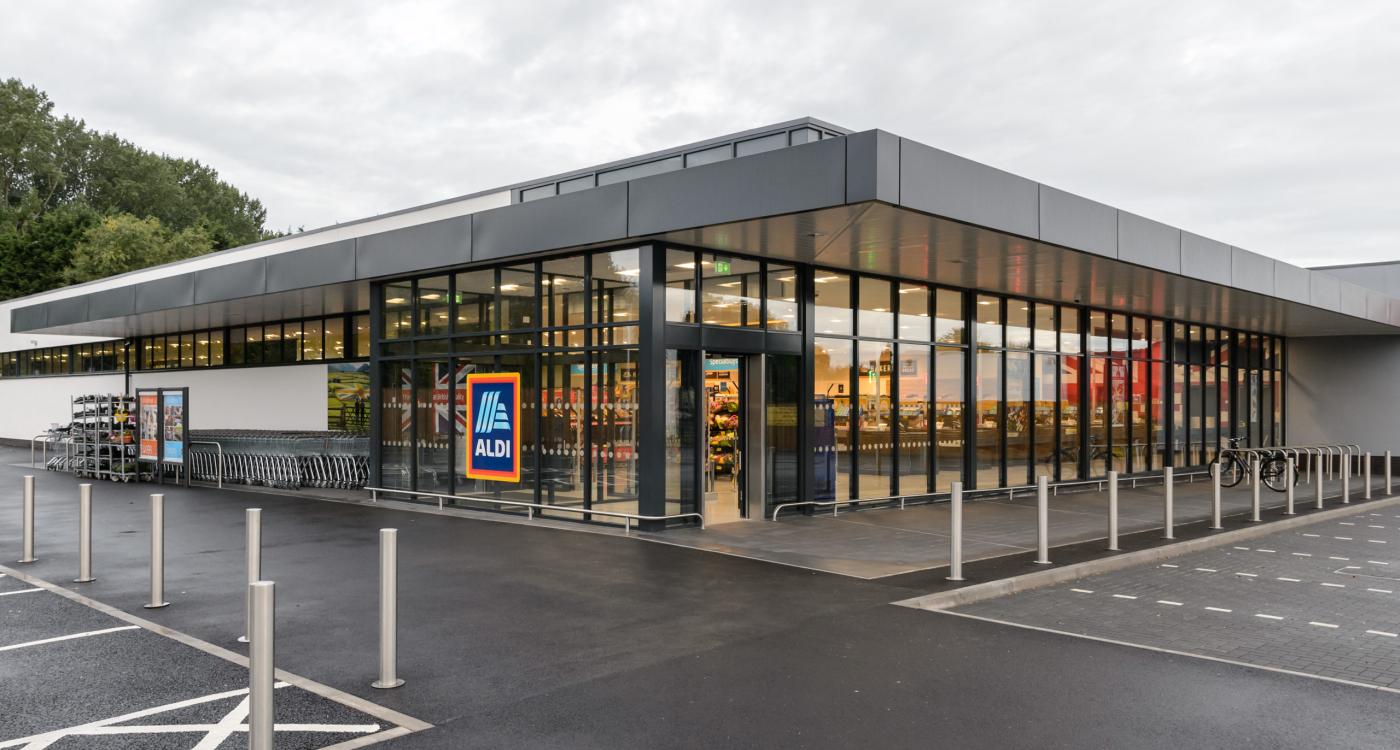
Aldi UK and the UK arm of dairy cooperative Arla have started an eight-week operational trial with recycling technology provider Polytag. The goal: to trace how milk bottles move through the UK recycling system using invisible UV markings.
For the trial, labels are printed with a specially developed fluorescent ink. Compared to the first joint trial in 2023, the technology has moved on. Back then, the companies used individual, pressure-sensitive labels. Now they're using a different format: wrap-around labels that cover the whole bottle. This is meant to make them more durable and prevent damage during transport.
You can find out more about deposit systems in the food retail industry in these articles:
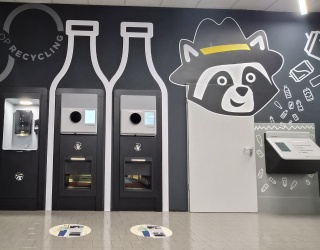
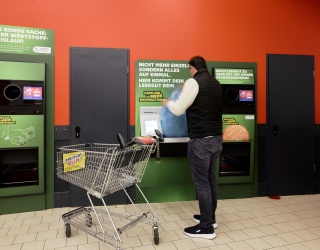
Once tagged bottles pass through a sorting facility, detection units installed there by Polytag read the UV codes and transmit the data in real time, down to the level of the individual container. Through a dashboard, Aldi and Arla then get insights into exactly how much of their packaging is actually being recycled – and by what route.
Why traceability matters now
The timing is no coincidence: the UK is tightening its Extended Producer Responsibility (EPR) rules. Under EPR, producers and retailers have to cover the recycling costs of their own packaging. On top of that, a Deposit Return Scheme is being introduced. Together, these changes mean companies will need to show in far more detail what materials are actually being recycled. The EU is moving in a similar direction with its own Packaging and Packaging Waste Regulation (PPWR), which makes this UK pilot a useful signal for retailers and producers across Europe watching how traceability requirements are likely to evolve.
For Aldi and Arla, the trial is a way to base future packaging decisions on verified data rather than estimates. The fact that Polytag is now on board for the third time could be a sign that the technology is moving from pilot project to repeatable process.