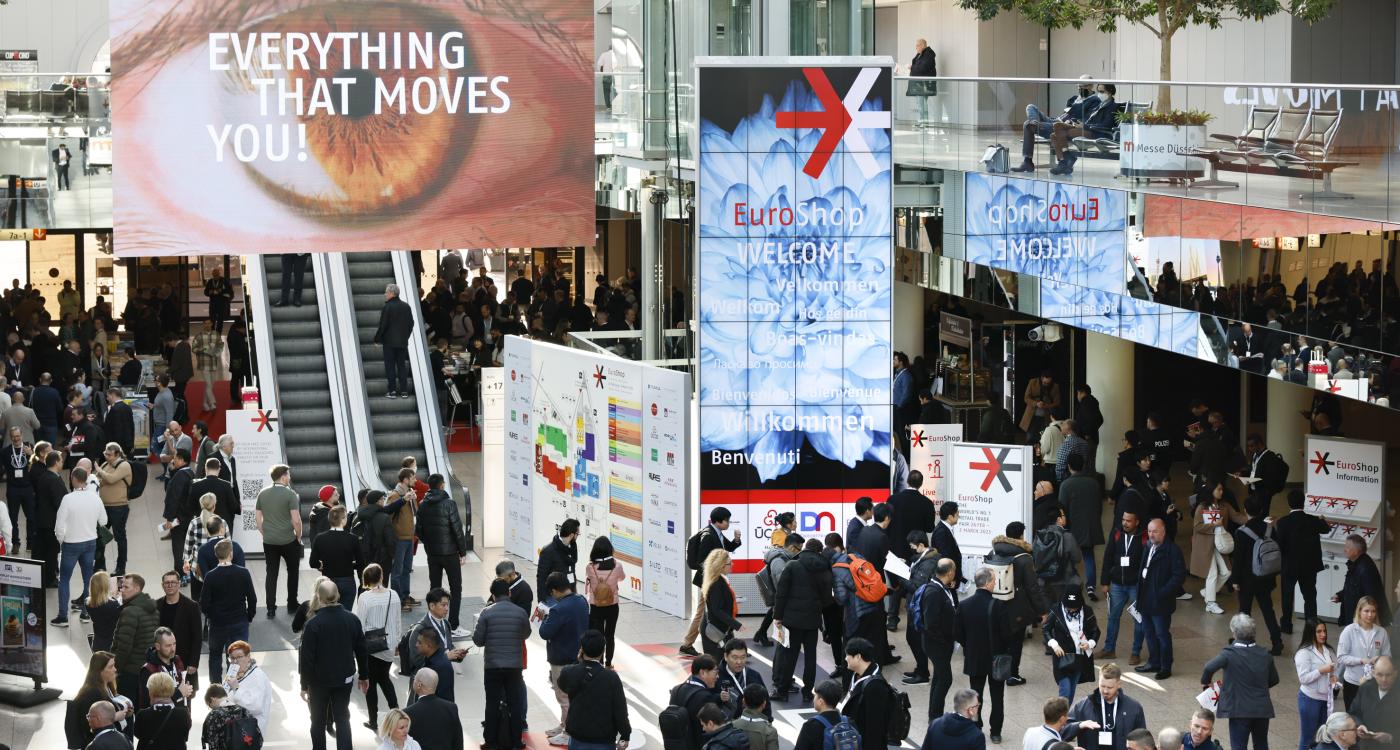
When the retail industry meets at EuroShop in Düsseldorf from February 22 to 26, 2026, the focus will not only be on new technologies, but also on the interplay between experience, efficiency, and genuine customer centricity. In this interview, Elke Moebius outlines the key topics and reveals what visitors should pay particular attention to when planning and prioritizing.
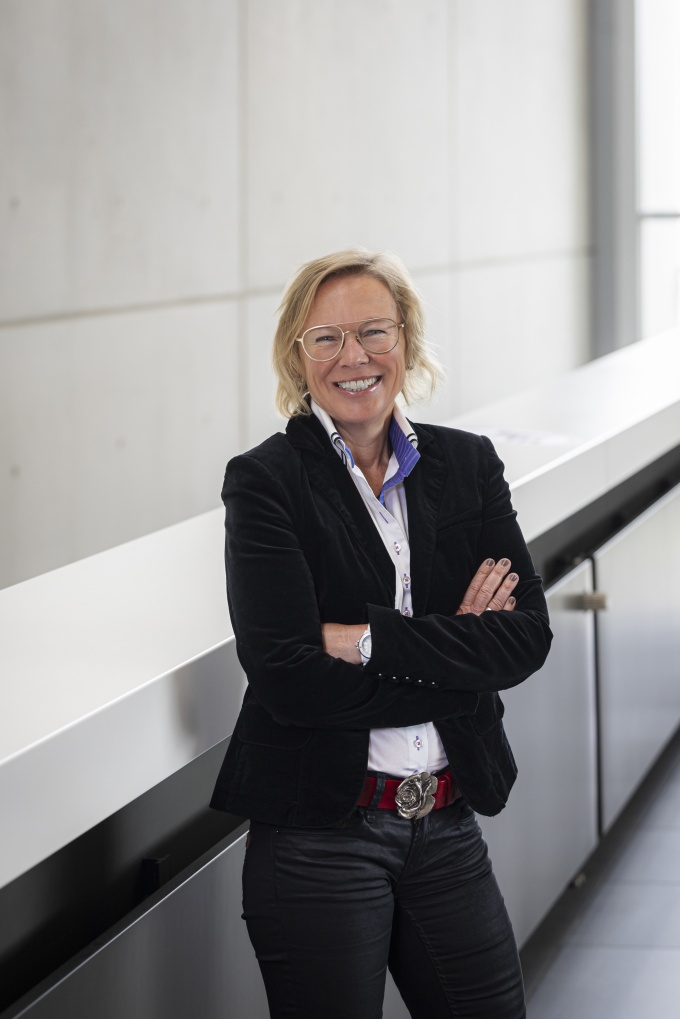
Elke, when you look at retail in 2026/27 from a bird's eye view, what decisions do retailers need to make now that will make the biggest difference in 12 to 18 months—and which “trend debates” are more of a distraction?
As a strategic foundation for the next 12 to 18 months, retail companies must clarify today how AI will be systematically integrated into the organization – organizationally, culturally, and technologically. Without this step, there is a risk of falling behind, because AI is increasingly becoming a standard capability, not just a tech experiment. AI is not a niche project, but a decisive lever for process automation, personalization, customer centricity, seamless checkout experiences, and data-driven decisions. One debate that I believe is rather distracting is the fixation on individual store formats or concepts as supposed blueprints. Whether flagship, pop-up, or micro-store, what matters is not the format, but how well it fits with your own strategy, location, and customer expectations. Those who copy formats without thinking about the overall system will not achieve sustainable success.
What do you currently consider to be the best indicator that a retail company is truly “customer-centric” – not just in marketing, but in its day-to-day business?
In my opinion, customer-centric companies can be recognized by the fact that their stores function intuitively, that employees have room to maneuver, and that services really help – not just sell. The question of how flexibly a company responds to feedback is also crucial. If customer insights have a measurable influence on product ranges, store layouts, or processes, then customer centricity is not just an empty phrase, but part of the corporate culture. Customer centricity can also include other added value.
Do you have a specific example?
Another Cotton in Düsseldorf has built a real running community around its fashion line – with events, exchanges, and a clear local connection. You can also just grab a coffee in the beautifully designed shop. When locality, good events and food offerings, local products, and high-quality advice come together, you create a shopping experience that people enjoy lingering over. In short: when stores are more than just retail space, but also places where people enjoy spending time.
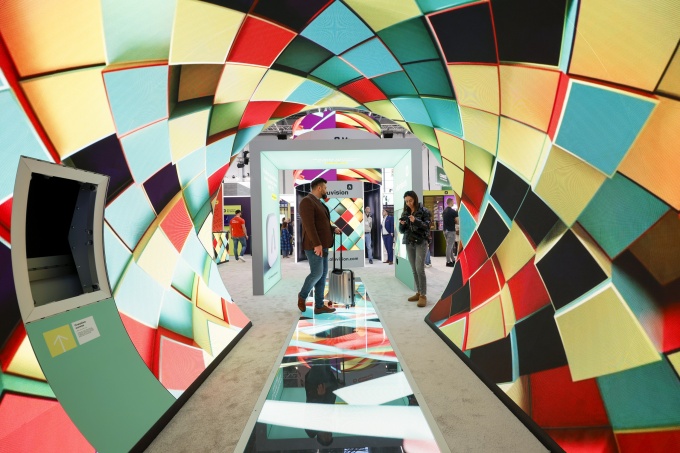
EuroShop covers such a wide range of topics store design, lighting, marketing, technology, food service, and energy management what do you find particularly exciting for 2026?
It is precisely the diversity and size of EuroShop that make the trade fair so relevant and exciting. We have seven dimensions and more than 100,000 square meters of net exhibition space, which offers room for the entire spectrum of retail offerings. I am fascinated to see how closely topics have grown together. Store design can no longer be conceived without technology, food service without energy efficiency and technology, marketing without emotionalization and data. I see the connection between retail technology and physical experiences as particularly dynamic, as well as developments in the areas of food service and energy management. At the same time, we are experiencing a new quality in store design and visual merchandising – more emotional, more sustainable, and more focused on the quality of the visitor experience.
In 2026, you will be celebrating your 60th anniversary as a “global retail festival.” How will this anniversary be reflected in the formats and content – and what does that mean for visitors?
EuroShop is an international community and platform for exchange, inspiration, and encounters. In addition to the traditional exhibition, we are therefore placing even greater emphasis on experiential and networking formats, on new special areas such as the interactive VM Experience and the newly designed Designers Village, and we are offering more guided tours of the site and, for the first time, store tours through Düsseldorf. And there is, for example, the Sixties Lounge, mobile bars, an alpine hut to stop off at, and coworking spaces designed to make your stay more enjoyable. By the way, if you want to really immerse yourself in the history of EuroShop, take a look at our EuroShop journey through time.
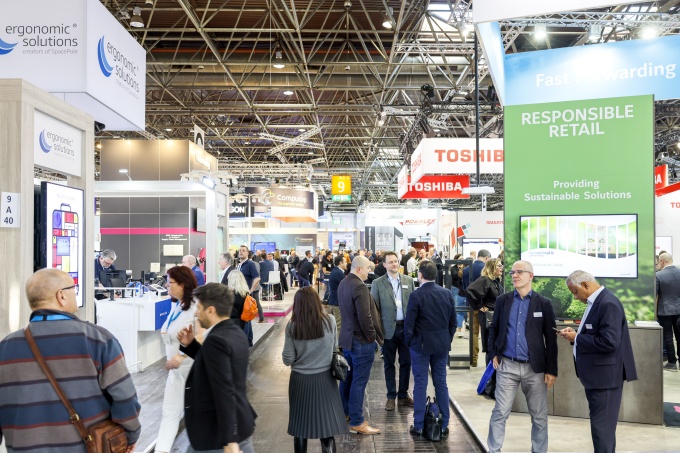
What must-sees would you recommend to iXtenso readers for efficient trade fair planning?
My most important tip is: don't just go there without a plan, but plan carefully. 14 halls are a program that takes several days! It's easy to get lost in individual halls and miss important things. The special areas are usually a good place to start because they provide a compact overview of trends – for example, the Designers' Village, the VM Experience, the Food Service Innovation Hub, or the Start-up Hub, where you can quickly get a feel for new ideas and concepts.
The stages are also a must, especially for visitors looking for specific application examples and best practices. The Guided Tours also offer an excellent opportunity to get to know relevant exhibitors grouped by theme – efficiently and with expert classification. I can only recommend taking the time for the planned store tours in Düsseldorf. And, of course, tools such as the EuroShop app and the new Fairmatch tool help you discover relevant stands and network and exchange ideas with people from the industry.